Front-End vs Back-End vs Full-Stack Development: Key Differences, Tools, Salary & Roadmap

Have you ever wondered how websites, apps, and digital platforms actually work? Every product you interact with—from Flipkart to Zomato—is powered by three main types of development: front-end, back-end, and full-stack.
-
Front-end is what users see and interact with.
-
Back-end handles the data, logic, and server operations behind the scenes.
-
Full-stack combines both, allowing a developer to manage the entire application.
For beginners, these terms may seem confusing. This guide simplifies them, highlights the key differences, explores the tools and skills required, and outlines a roadmap to launch your development career in India.
What is Front-End Development?
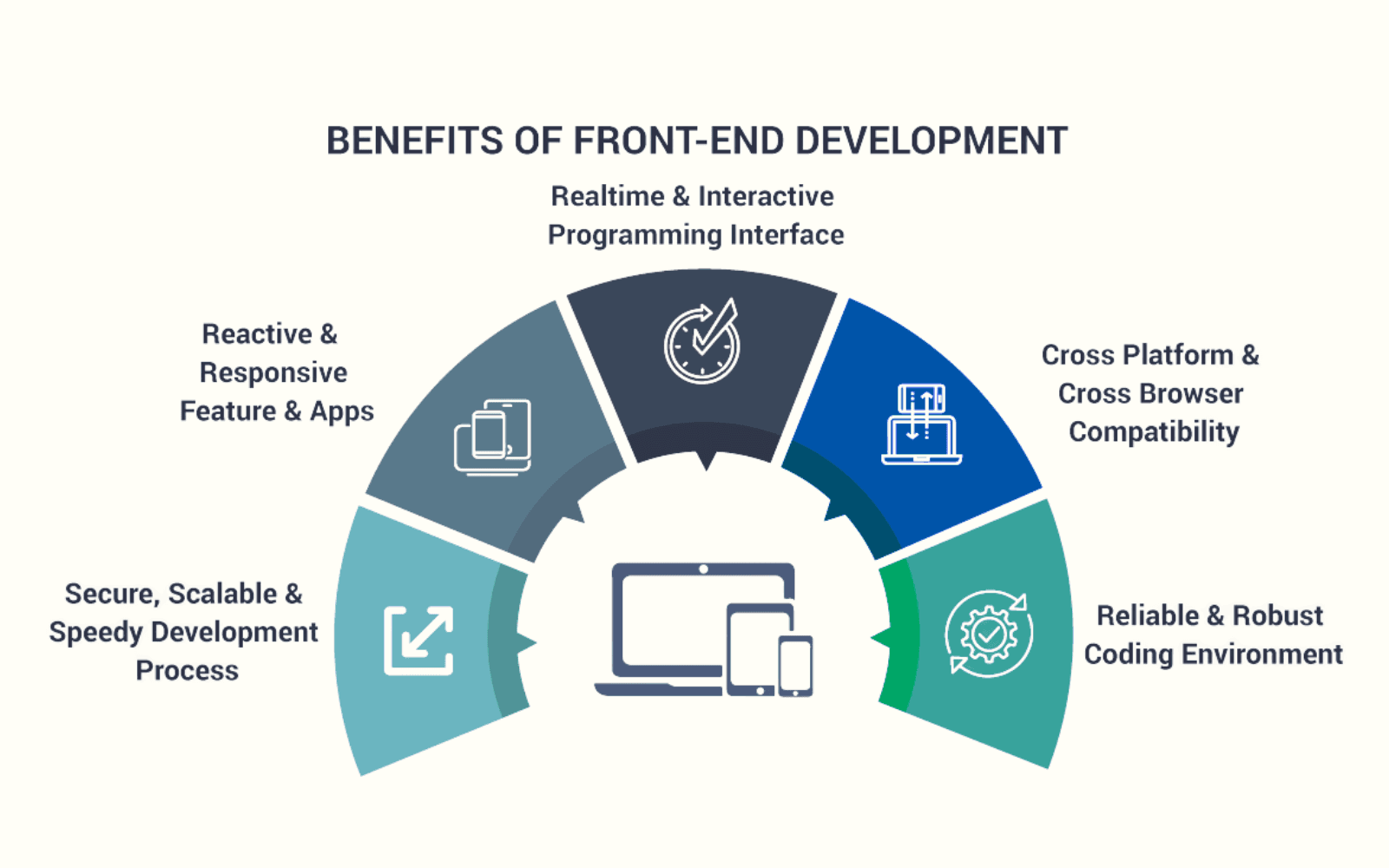
The front-end is the “face” of a website or app. It’s everything displayed on your screen: buttons, menus, text, images, and interactive elements.
-
Focuses on user experience (UX) and user interface (UI) design.
-
Uses HTML, CSS, and JavaScript to build layouts and interactions.
-
Popular frameworks include React, Angular, and Vue.js.
-
Requires understanding responsive design to ensure websites work on mobiles, tablets, and desktops.
Front-end developers make websites visually appealing, smooth, and easy to navigate.
What is Back-End Development?
The back-end is the brain behind the application. While users don’t see it, it manages data, handles requests, and ensures everything functions correctly.
-
Focuses on server-side logic, databases, and security.
-
Programming languages include Python, Java, Node.js, PHP, and Ruby.
-
Works with databases such as MySQL, PostgreSQL, and MongoDB.
-
Builds APIs to connect front-end and back-end systems.
Back-end developers ensure that when you log in, add an item to your cart, or stream a video, everything works seamlessly.
What is Full-Stack Development?
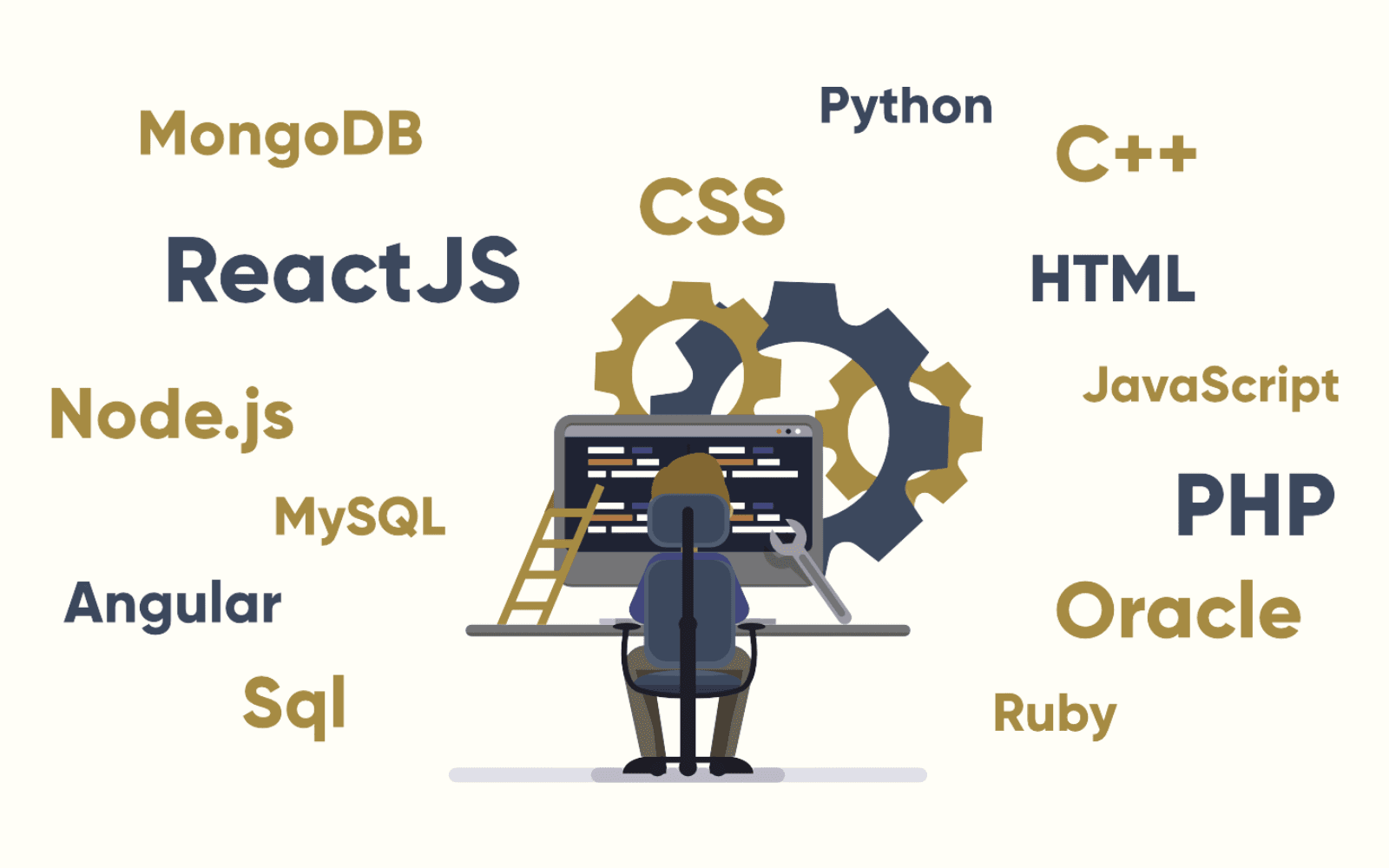
A full-stack developer combines both front-end and back-end skills, handling the complete application lifecycle. Think of them as a one-person orchestra managing both visuals and logic.
-
Works with front-end tools (HTML, CSS, JavaScript, React) and back-end tools (Node.js, Python, databases).
-
Ideal for startups or small teams needing versatile developers.
-
Requires adaptability and the ability to oversee the full development process.
Tools and Technologies for Beginners

| Role | Core Skills | Beginner Tools to Start |
|---|---|---|
| Front-End | HTML, CSS, JavaScript, Responsive Design | HTML, CSS, JavaScript basics; React or Vue.js |
| Back-End | Programming logic, Databases, APIs | Python or Node.js; MySQL or MongoDB |
| Full-Stack | Front-end + Back-end integration | MERN stack (MongoDB, Express.js, React, Node.js); Git & GitHub |
Salary Overview in India
Salaries for developers in India depend on experience, skills, company size, and location. Here’s an approximate breakdown:
| Role | Entry-Level Salary (INR/year) | Mid-Level Salary | Senior-Level Salary |
|---|---|---|---|
| Front-End | ₹3–6 Lakh | ₹6–12 Lakh | ₹12–20 Lakh |
| Back-End | ₹4–7 Lakh | ₹7–15 Lakh | ₹15–25 Lakh |
| Full-Stack | ₹4–8 Lakh | ₹8–16 Lakh | ₹16–30 Lakh |
-
Full-stack developers generally earn slightly more due to versatility.
-
Salaries in metros like Bengaluru, Mumbai, and Pune are higher than smaller cities.
-
Startups may offer perks like performance bonuses or stock options, boosting overall compensation.
These figures are approximate and can vary based on company, skill level, and project complexity.
Pros and Cons
| Role | Advantages | Challenges |
|---|---|---|
| Front-End | Creative and visual; instant feedback; beginner-friendly | Needs constant learning of design trends; limited server control |
| Back-End | Deep technical work; handles critical systems; good pay | Less visible results; learning curve can be steep |
| Full-Stack | Versatile; can build end-to-end apps; high demand | Harder to master both areas; risk of burnout |
Roadmap for Beginners in India
Step 1: Start with HTML & CSS to understand website structure and styling.
Step 2: Learn JavaScript for interactivity.
Step 3: Choose a path:
-
Front-End: Learn frameworks like React or Vue.js; focus on UI/UX.
-
Back-End: Learn Node.js, Python, or Java; practise with databases and APIs.
-
Full-Stack: Combine front-end and back-end skills; start small projects end-to-end.
Step 4: Version control using Git; deploy projects on GitHub, Netlify, or Heroku.
Step 5: Build portfolio projects and explore internships, freelancing, or junior developer roles.
Quick Comparison Chart
| Feature | Front-End | Back-End | Full-Stack |
|---|---|---|---|
| Focus | User interface & design | Logic, data, server | Both front & back |
| Visibility | Visible to users | Hidden behind the scenes | Full project lifecycle |
| Languages | HTML, CSS, JavaScript | Python, Java, Node.js, PHP | Combination of both |
| Databases | Not required initially | Essential | Essential |
| Beginner Path | Easiest to start | Requires logic understanding | Learn after front-end basics |
How to Choose the Right Path
-
Love visuals and design? → Start with front-end.
-
Enjoy logic, data, and problem-solving? → Start with back-end.
-
Want versatility and control over entire apps? → Explore full-stack.
Many beginners start with front-end because it’s visual and easier to grasp. Once confident, move to back-end or full-stack to unlock higher pay and bigger projects.
Conclusion
Choosing between Front-End vs Back-End vs Full-Stack Development in India depends on your interests and career goals:
-
Front-End: Perfect for creative thinkers who enjoy building user interfaces.
-
Back-End: Suited for problem-solvers who love logic, data, and server-side systems.
-
Full-Stack: Ideal for versatile developers who want to manage complete projects.
There’s no wrong choice. The key is starting small, practising consistently, and building real projects. Over time, you can transition between roles and grow into a full-stack career, enjoying higher pay and more flexibility.
Written by
Shreyashri
Last updated
11 October 2025